Get Poured Wall Installation
Poured wall installation services help property owners build strong, durable foundation walls for basements, retaining walls, and other structural projects, solving stability and support issues.
Poured wall installation is a practical solution for property owners looking to enhance structural support, create durable foundations, or improve landscape stability. Whether planning a new construction project, reinforcing existing structures, or managing landscape modifications, understanding your options and choosing experienced local contractors can make a significant difference. This service is often considered for various property improvements, making it a common step in many renovation and development projects.
Exploring local service providers can help property owners compare approaches, quality, and expertise to find the right fit for their specific needs. By reviewing the available options in the area, you can ensure the work aligns with your project plans and long-term property goals. Keep reading to discover how local contractors can assist with poured wall installation and support your property's stability and integrity.
- Residential Poured Wall Installation - needed when homeowners want durable and seamless foundation walls for new or existing homes.
- Commercial Poured Wall Construction - required for businesses seeking strong, long-lasting foundation support for commercial buildings.
- Retaining Wall Poured Installation - appropriate when retaining walls are needed to manage soil erosion or landscape elevation changes.
- Basement Wall Poured Services - essential for basement renovations or waterproofing projects that require sturdy wall reinforcement.
- Foundation Wall Repair - necessary when existing poured walls show signs of cracking, shifting, or structural issues.

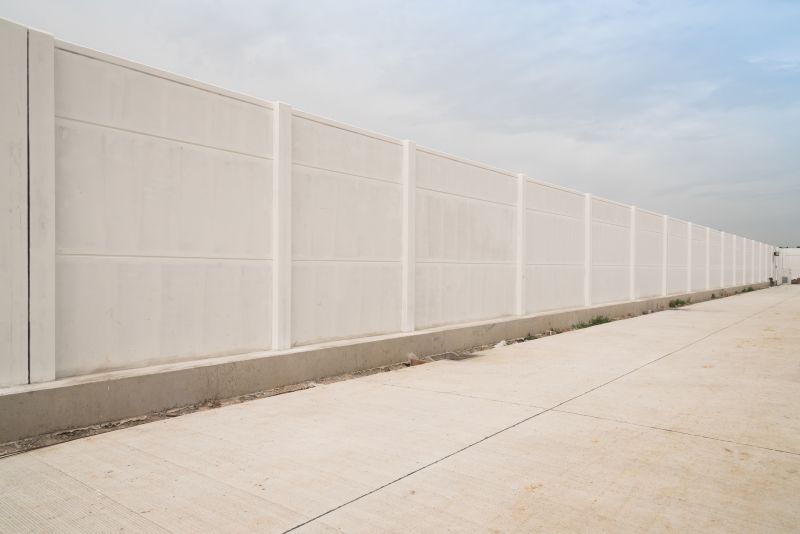
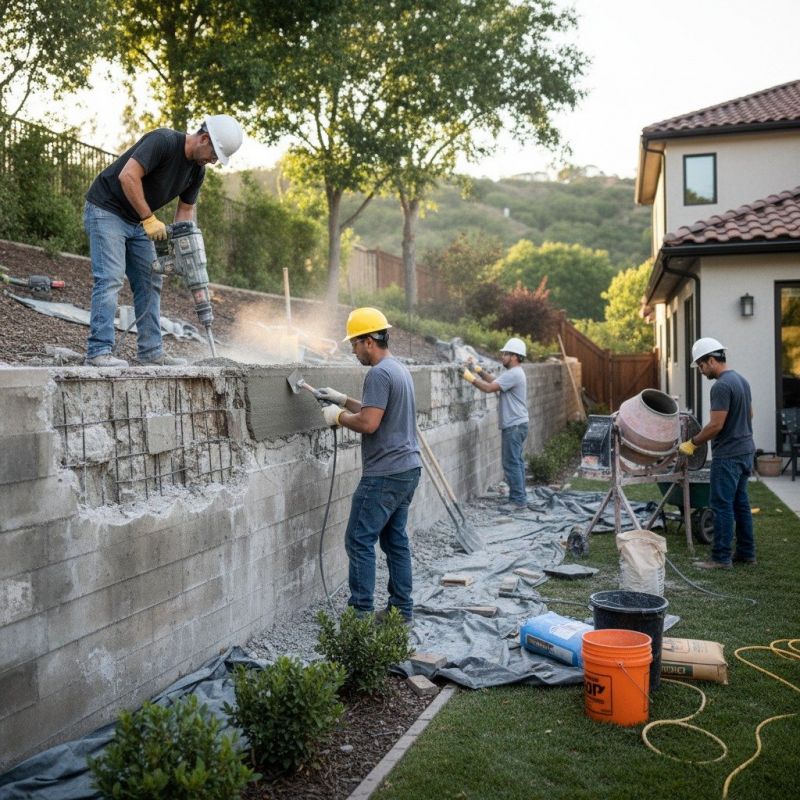
Poured wall installation involves creating sturdy, durable concrete walls that serve as foundations, retaining walls, or basement walls for residential properties. The process typically includes excavating the area, setting forms to shape the concrete, and then pouring and finishing the concrete to ensure a smooth, strong surface. This method provides a reliable barrier or support structure that can withstand various environmental pressures and prevent issues like soil erosion or water intrusion. Skilled contractors use specialized techniques to ensure the walls are properly aligned and reinforced, resulting in a long-lasting solution tailored to the specific needs of each property.
This service is particularly effective in addressing common problems such as basement leaks, foundation cracks, or soil shifting around a property. When soil movement causes uneven settling or structural instability, poured walls can help stabilize the landscape and protect the integrity of the building. Additionally, they are often used to create level yard spaces, support retaining walls for landscaping, or reinforce areas prone to erosion. Homeowners experiencing issues with water seepage, shifting terrain, or structural concerns may find poured wall installation to be a practical solution to improve safety and stability.
Properties that typically utilize poured wall installation include residential homes with basements, hillside properties, or sites with challenging soil conditions. These walls are also common in properties where outdoor living spaces or landscaping features require additional support. Whether constructing a new foundation, repairing an existing one, or building retaining walls for aesthetic or functional purposes, homeowners with specific structural needs can benefit from the strength and versatility of poured concrete walls. Many property types, from single-family homes to multi-unit buildings, rely on this service to ensure long-term durability.
Local contractors offering poured wall installation services are equipped to assess the unique requirements of each property and provide solutions that enhance safety and functionality. These professionals handle all aspects of the project, from initial site evaluation to the final pour, ensuring the walls meet the necessary standards for stability and longevity. Homeowners considering this service should look for experienced local providers who can deliver quality workmanship tailored to their property’s specific conditions. Contacting a local contractor can help determine if poured wall installation is the right choice for addressing structural concerns or improving property stability.
The overview below groups typical Poured Wall Installation projects into broad ranges so you can see how smaller, mid-sized, and larger jobs often compare in your area.
In many markets, a large share of routine jobs stays in the lower and middle ranges, while only a smaller percentage of projects moves into the highest bands when the work is more complex or site conditions are harder than average.
Smaller Repairs - Typical costs for minor poured wall repairs, such as crack filling or patching, generally range from $250 to $600. Many routine jobs fall within this middle range, though prices can vary based on wall size and damage extent.
Standard Installation - Installing poured walls for a typical basement or foundation usually costs between $4,000 and $8,000. Local contractors often handle these projects within this range, with larger or more complex jobs reaching higher prices.
Full Basement Wall Replacement - Replacing entire basement walls can cost from $10,000 to $20,000 or more, depending on size and materials. While many projects stay in the mid-to-high range, larger or custom projects can push costs higher.
Large or Complex Projects - Extensive or specialized poured wall installations, including reinforced or decorative walls, can exceed $20,000, with some reaching $50,000+ for very large or intricate work. These higher-end projects are less common but are handled by experienced local service providers.
Actual totals will depend on details like access to the work area, the scope of the project, and the materials selected, so use these as general starting points rather than exact figures.
Foundation Wall Construction - local contractors skilled in building sturdy foundation walls often utilize similar pouring techniques and planning as poured wall installation projects.
Retaining Wall Installation - this type of project requires expertise in concrete pouring and formwork, making it related to poured wall services.
Basement Wall Waterproofing - professionals experienced in poured concrete walls are also adept at applying waterproofing solutions to enhance basement durability.
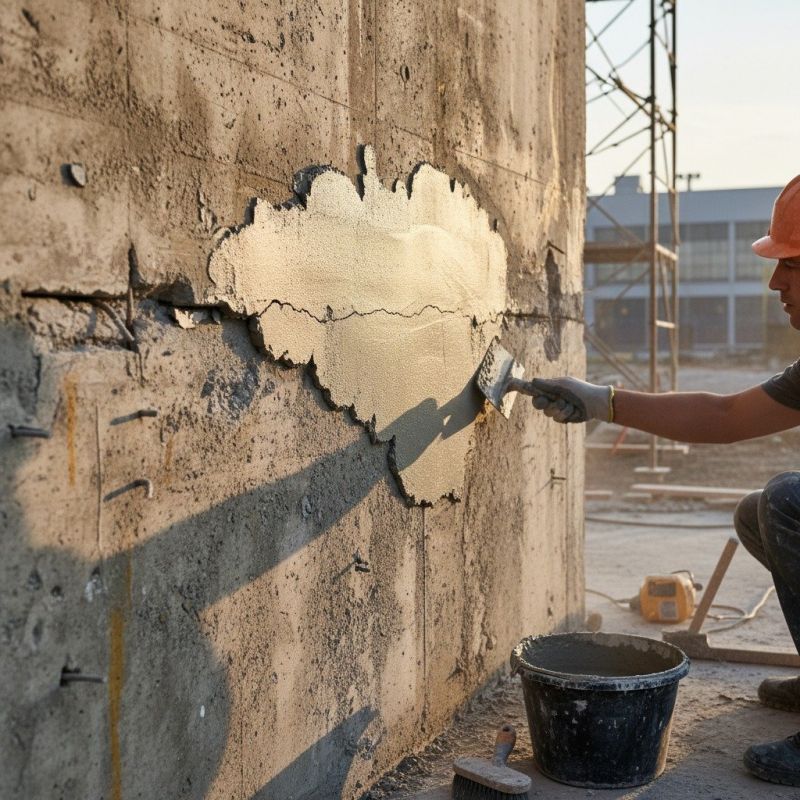
Concrete Wall Repair - repairing existing concrete walls involves skills in concrete mixing, form setup, and structural assessment akin to new poured wall installation.
Curb and Barrier Wall Construction - building concrete curbs or barriers shares similar planning, formwork, and pouring techniques with poured wall projects.
Structural Concrete Work - general structural concrete projects, including supports and load-bearing walls, often require similar tools and planning as poured wall installation services.
When evaluating potential contractors for poured wall installation, it’s important to consider their experience with similar projects. Homeowners should look for service providers who have a proven track record of completing poured wall work comparable in scope and complexity to the project at hand. An experienced local contractor will likely be familiar with common challenges and best practices specific to the area, which can contribute to a more reliable and durable result. Asking about previous projects or requesting examples of completed work can provide insight into their expertise and help determine whether they have the relevant background to handle the job effectively.
Clear written expectations are essential when choosing a service provider for poured wall installation. Homeowners should seek out contractors who can provide detailed, written descriptions of the scope of work, materials to be used, and the projected process. Having this information in writing helps ensure that both parties are aligned on what will be delivered, reducing the potential for misunderstandings or surprises later on. It also creates a record that can be referenced throughout the project, fostering transparency and accountability.
Reputable references and effective communication are key indicators of a dependable local contractor. Homeowners are encouraged to ask for references from previous clients who had similar work done and to follow up with those references to learn about their experiences. Good communication skills are equally important; service providers who are responsive, clear, and willing to answer questions can make the process smoother and more predictable. While the site introduces homeowners to local options, it’s important to remember that it does not perform the work itself-careful comparison of these factors can help identify service providers best suited to meet the project’s needs.
Property owners use Poured Wall Installation services for practical projects around their homes and businesses. This guide focuses on everyday jobs and straightforward project options.

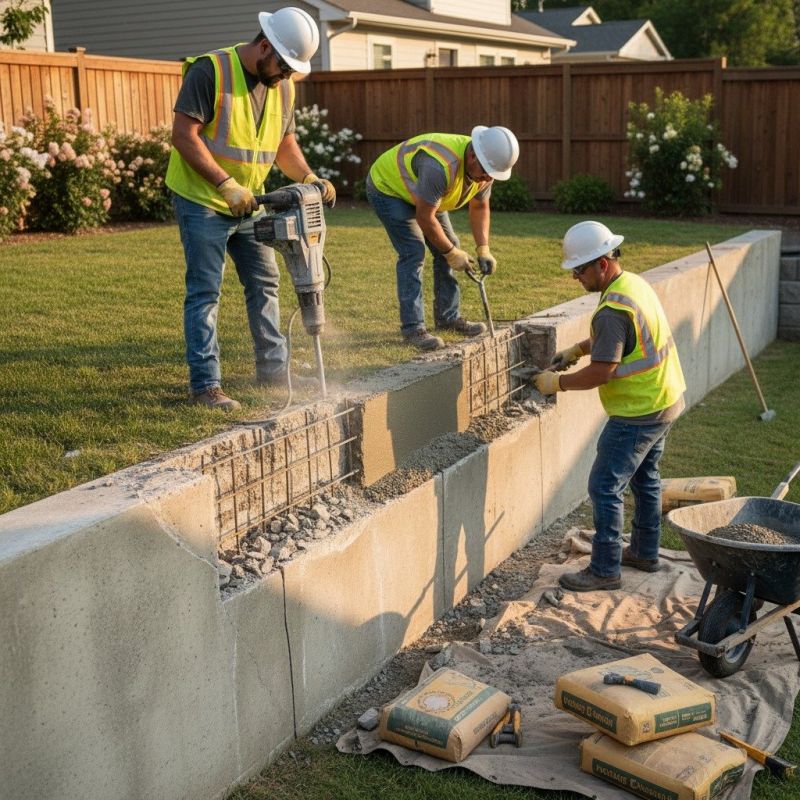
Poured wall installation is often needed for property owners dealing with foundation repairs, basement waterproofing, or constructing retaining walls. Whether a homeowner notices cracks or shifting in their basement walls or needs to create a sturdy barrier to prevent soil erosion, local contractors can provide the necessary expertise. These services are also common for new construction projects, where a solid, durable wall is essential for structural integrity and long-term stability.
Property owners might seek poured wall services to address issues caused by weather, soil conditions, or aging structures. For example, heavy rainfall or shifting ground can lead to wall cracks or leaks, prompting the need for professional repair or reinforcement. Local service providers are available to assess the situation, recommend solutions, and handle the installation efficiently, helping to protect the property and maintain its value.
What are poured wall installation services? Poured wall installation involves creating concrete walls on-site to serve as foundations, retaining walls, or basement walls, provided by local contractors specializing in this work.
What types of poured walls can local contractors install? They can install various poured concrete walls, including basement walls, retaining walls, and foundation walls, tailored to specific project needs.
How do local service providers prepare for poured wall installation? Preparation typically includes site assessment, form construction, and ensuring proper reinforcement to support the poured concrete walls effectively.
What materials are used in poured wall construction? The primary material is concrete, often combined with steel reinforcement (rebar) to enhance strength and durability of the walls.
What factors influence the quality of poured wall installation? Proper site preparation, quality of materials, and the skill of the local contractors all play key roles in ensuring a well-constructed poured wall.
Retaining Wall Installation - Property owners can improve landscape stability by having local contractors install durable poured walls to contain soil and prevent erosion.
Basement Wall Repair - Homeowners experiencing foundation issues can seek local service providers to reinforce or replace poured basement walls for added safety.
Garden or Yard Boundaries - Poured walls can be used to create defined garden beds or yard divisions, enhancing the property's organization and appearance.
Commercial Property Support - Business owners may utilize poured wall services to support parking lots, loading docks, or other structural elements on their property.
If you are thinking about Poured Wall Installation for a property, this guide is meant to help you understand the work, the typical project types, and how different options might fit your plans.
When you are ready, you can use the quote form on this page to share a few details about your project. From there, local pros can review the basics and respond with options that match what you have in mind.